

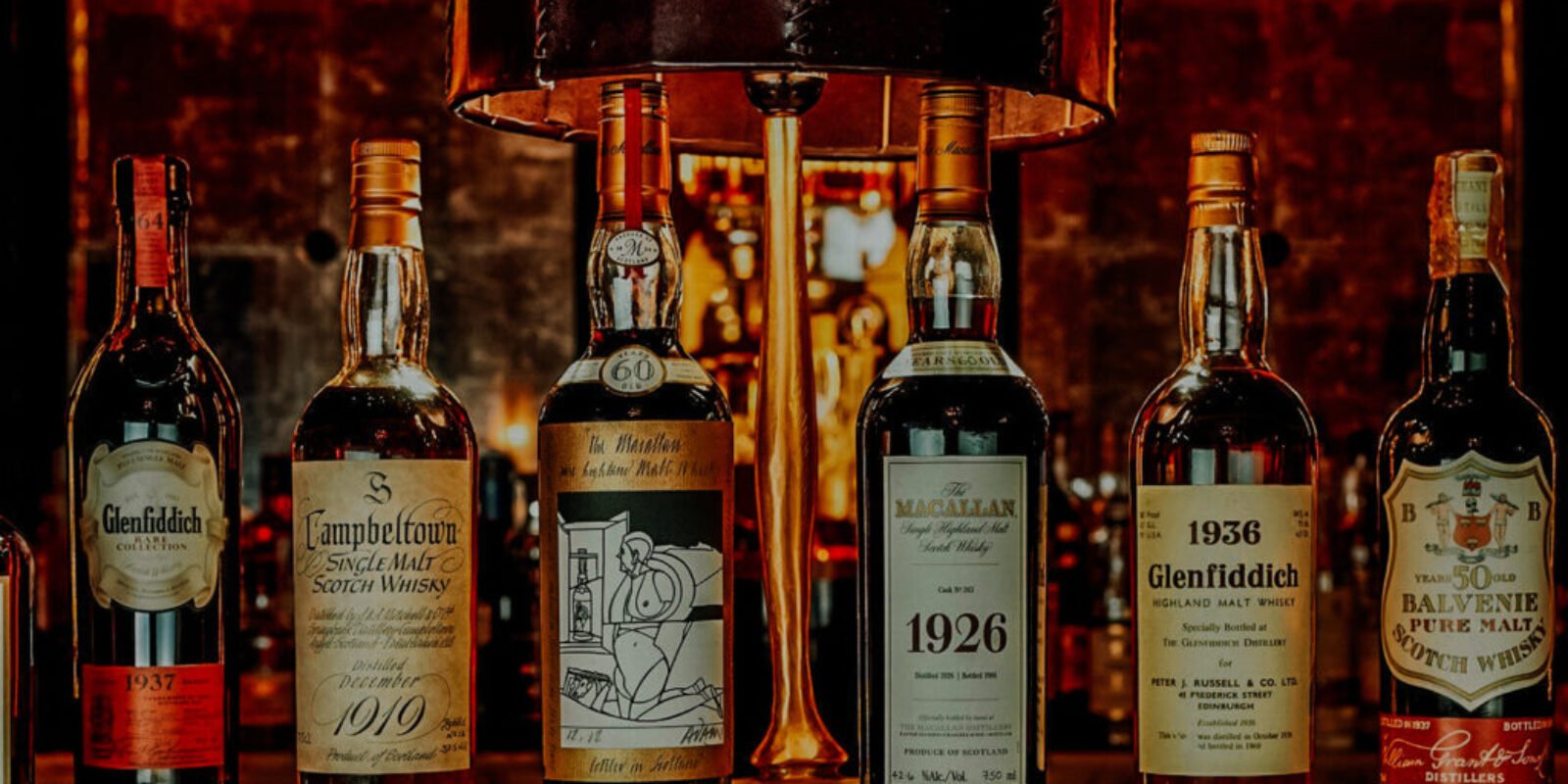
Decoding Whisky Fill Levels
Whisky is a complex and nuanced spirit that requires careful attention to detail when it comes to serving and storing. One key factor in both of these aspects is the fill level of the bottle. In this article, we will explore the guidelines for the whisky fill level in their bottles and why it is important to follow these guidelines.
To start, it is important to understand what we mean by fill level. The fill level is simply the amount of liquid in the bottle, measured from the bottom of the cork to the surface of the whisky. This is important because the level of liquid in the bottle can affect the quality and taste of the whisky. As a result of its effect on quality and taste, it can also have an effect on the monetary value of the whisky.
Rule of Thumb
The general rule of thumb for whisky fill levels is that the liquid should come up to the base of the cork. This is because when whisky is stored in a bottle, the liquid interacts with the air in the bottle. Less air means that there is less interaction going on between the trapped air and the whisky itself.
Low Fill Level
If the fill level is (too) low, this means there is more room for air inside the bottle. Thus, the whisky will have more contact with the air, which can cause oxidation and evaporation. This can lead to a loss of flavor and aroma, as well as a change in the color of the whisky.
High Fill Level
On the other hand, if the fill level is too high, there may be too little air in the bottle. This can cause a vacuum to form, which can lead to a number of problems such as the cork becoming damaged or the whisky losing its character due to the lack of interaction with air.
Unique Bottle Designs
It is also worth noting that the fill level can vary depending on the type of bottle being used. For example, some bottles have a larger headspace (the area between the surface of the liquid and the top of the bottle) than others, which means that the fill level will be different. Unique editions of whisky’s are often poured in equally unique bottles of various designs. Again: what you want to look at is how much air is inside the bottle for the whisky to interact with.

Whisky Fill Level: The 4 Guidelines
To ensure that you are storing your whisky correctly, it is important to follow the whisky fill level guidelines below:
- Store whisky bottles upright: this will help to prevent the cork from drying out and ensure that the whisky comes into contact with air evenly;
- Keep the bottle out of direct sunlight and in a cool, dark place: this will help to prevent evaporation and oxidation of the whisky;
- Do not store the bottle for too long once it has been opened: whisky can start to lose its flavor and aroma once it has been exposed to air, so it is best to consume it within a reasonable amount of time;
- Use decanters or other containers to lower exposure to air: a half-emptied bottle has a lot of air inside, which will influence the whisky’s taste and aroma. By pouring remaining whisky into smaller (sealable!) containers, you minimize the amount of air for the whisky to come into contact with. This helps to extend how long you can maintain your whisky’s original qualities.
Using Whisky Fill Level Guidelines for Evaluating Bottle Quality
Using the guidelines and whisky fill level explanations outlined above, you are able to make more informed decisions regarding a potential purchase. This also goes for making good photos of whisky you want to sell. Help potential buyers make an informed decision as well by showing whisky fill level.
Whether you’re approaching a potential purchase with the intention of drinking it or investing in it: the value of the bottle is partially decided by its fill level. As a dram drinker, you want an optimal taste. As an investor, you want to ensure that the whisky retains its qualities even when it’s stored for a couple of years while it increases in monetary value.
Good Fill Level = Good Taste = Good Value
In conclusion, the whisky fill level is an important factor to consider when storing and serving whisky. Following the guidelines outlined above will help to ensure that your whisky remains of high quality and retains its flavor and aroma. So next time you pour yourself a dram, remember to check the fill level and take note of any changes in the liquid or cork that could indicate a problem with the bottle.


Join the Discussion